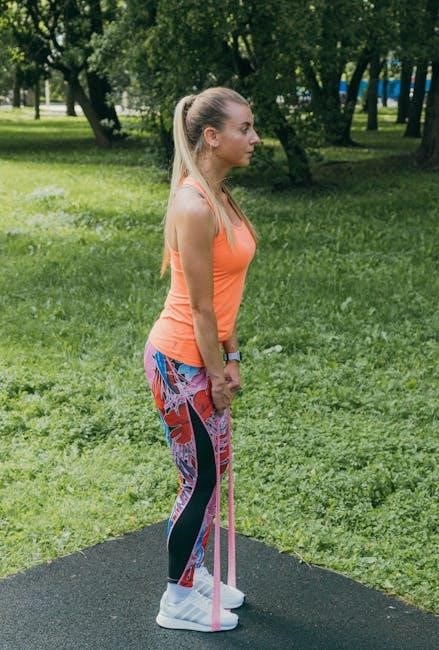
Functional training transcends traditional workouts‚ offering a holistic fitness approach. A 12-week functional training program PDF provides structure for enhanced strength‚ stability‚ and reduced injury risk.
What is Functional Training?
Functional training isn’t simply about isolated muscle movements; it’s a comprehensive fitness philosophy centered around replicating everyday movements. Unlike traditional weightlifting‚ which often focuses on specific muscles‚ functional training emphasizes exercises that work multiple muscle groups simultaneously. A well-designed functional training workout PDF will prioritize movements like squatting‚ lifting‚ pushing‚ and pulling – actions we perform daily.
This approach enhances real-world strength‚ improves balance‚ and boosts overall coordination. It’s about building a body capable of handling the demands of life‚ not just looking good in the gym. The goal is to improve athletic performance and minimize the risk of injuries.
Benefits of a Functional Training Workout
A functional training workout delivers a multitude of advantages beyond aesthetic improvements. Utilizing a structured functional training program PDF can significantly enhance strength and stability‚ crucial for daily activities and athletic pursuits. It promotes improved mobility and endurance‚ allowing for greater freedom of movement and sustained physical exertion.
Furthermore‚ this training style actively reduces the risk of injuries by strengthening supporting muscles and improving movement patterns. You’ll feel stronger‚ fitter‚ and healthier‚ capable of tackling challenges with increased confidence and efficiency. It’s a pathway to a more resilient and capable physique.
Understanding a Functional Training Workout PDF
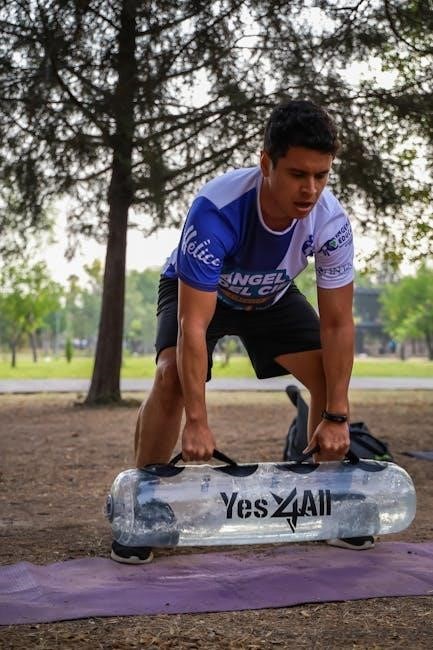
Functional training program PDFs offer structured plans‚ often including detailed exercises and progressions‚ to help individuals achieve well-rounded fitness goals effectively.
What to Expect in a PDF Plan
A functional training workout PDF typically delivers a comprehensive‚ easy-to-follow program designed for various fitness levels. Expect detailed exercise instructions‚ often with visual aids‚ outlining proper form and technique. These plans frequently incorporate progressive overload‚ gradually increasing intensity over time to challenge your body.
You’ll likely find workout schedules spanning several weeks‚ potentially 12-week programs‚ with specific exercises assigned to each day. Many PDFs emphasize bodyweight exercises‚ minimizing the need for extensive equipment‚ making them ideal for home workouts. Furthermore‚ expect guidance on warm-up routines‚ cool-downs‚ and potentially‚ modifications for different abilities.
Key Components of a Functional Training Program
Functional training programs prioritize movements mirroring real-life activities. Expect a focus on multi-joint exercises – squats‚ lunges‚ push-ups‚ and rows – engaging multiple muscle groups simultaneously. Core stability is paramount‚ with planks and anti-rotation exercises frequently included.
Cardiovascular integration‚ like running or cycling‚ boosts metabolism and endurance. Progressive overload is crucial‚ gradually increasing intensity. Many programs‚ especially those in PDF format‚ emphasize bodyweight exercises for accessibility. Finally‚ mobility work‚ such as dynamic stretching and foam rolling‚ enhances flexibility and recovery‚ completing a well-rounded approach.
4-Day Functional Training Program
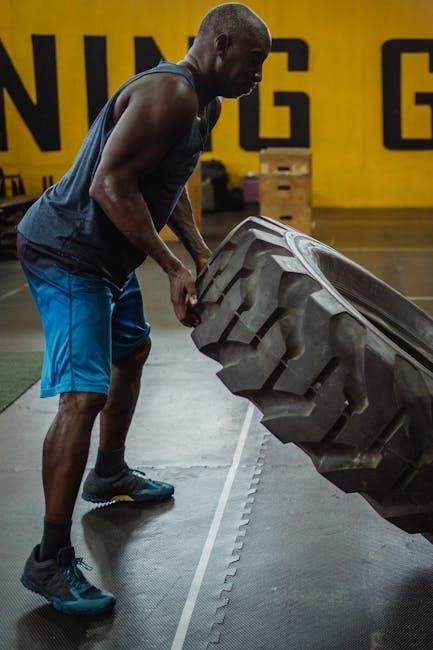
This program enhances lifting‚ promotes muscle gain‚ and improves functional fitness through a structured 4-day split‚ building strength and a muscular physique.
Day 1: Lower Body & Core
Focus on foundational movements to build lower body strength and core stability. Squats and their variations – like goblet squats or jump squats – are crucial for overall leg power and functional movement patterns. Lunges and step-ups further challenge balance and unilateral strength‚ mimicking everyday activities.
Core activation exercises‚ such as planks‚ bird-dogs‚ and dead bugs‚ are essential for stabilizing the spine and transferring force efficiently. Prioritize proper form over quantity to maximize engagement and prevent injury. This day establishes a solid base for subsequent workouts‚ improving athletic performance and daily life functionality.
Squats and Variations
Squats are a cornerstone of functional lower body training‚ building strength in the quads‚ hamstrings‚ and glutes. Begin with bodyweight squats‚ focusing on proper form – chest up‚ back straight‚ and descending as if sitting into a chair. Progress to variations like goblet squats‚ holding a dumbbell or kettlebell‚ to increase intensity and challenge core stability.
Jump squats add a plyometric element‚ enhancing power and explosiveness. Ensure adequate warm-up and controlled landings. Prioritize depth and maintaining a neutral spine throughout each repetition for optimal results and injury prevention.
Lunges and Step-Ups
Lunges are excellent for unilateral leg strength‚ improving balance and coordination. Perform forward lunges‚ reverse lunges‚ and walking lunges‚ ensuring your front knee tracks over your ankle and your back knee doesn’t touch the ground. Step-ups target similar muscle groups while adding a stability challenge.
Use a box or bench of appropriate height. Focus on driving through your heel and maintaining a controlled descent. Incorporate dumbbells for added resistance. These exercises build functional strength crucial for everyday movements like climbing stairs and navigating uneven terrain.
Core Activation Exercises
Core activation is vital before any functional workout. Begin with dead bugs‚ focusing on maintaining lower back contact with the floor while extending opposite arm and leg. Bird dogs enhance stability and coordination‚ requiring controlled extension of arm and leg while bracing the core.
Glute bridges activate the posterior chain‚ strengthening glutes and hamstrings‚ which support core stability. These exercises prepare your body for more complex movements‚ improving posture and reducing injury risk. Prioritize proper form over speed to maximize effectiveness.
Day 2: Upper Body & Core
Day 2 focuses on strengthening the upper body while simultaneously engaging the core for stability. Begin with push-up variations‚ progressing from incline to standard‚ and eventually to decline push-ups for increased challenge. Follow with pull-up or rowing exercises‚ utilizing resistance bands if needed to assist with pull-ups.
Conclude with plank and anti-rotation exercises‚ like paloff presses‚ to build core endurance and resist rotational forces. This combination builds functional strength applicable to everyday movements and athletic performance.
Push-Up Variations
Push-up variations are crucial for progressive overload and targeting different muscle fibers. Start with modified push-ups on your knees if standard form is challenging. Progress to incline push-ups using a bench or elevated surface to reduce difficulty. As strength increases‚ transition to standard push-ups‚ focusing on proper form and full range of motion.
For an advanced challenge‚ incorporate decline push-ups with your feet elevated‚ increasing the load on the upper chest and shoulders. These variations build upper body strength and endurance effectively.
Pull-Up/Rowing Exercises
Pull-ups and rowing exercises are essential for developing upper back and bicep strength‚ counteracting pushing movements. If pull-ups are initially too difficult‚ utilize assisted pull-up machines or resistance bands for support. Rowing exercises‚ using dumbbells or resistance bands‚ effectively target the back muscles and improve posture.
Focus on controlled movements and squeezing the shoulder blades together during each repetition. These exercises build a strong‚ balanced upper body‚ crucial for functional movements and overall fitness.
Plank and Anti-Rotation Exercises
Plank exercises are foundational for core stability‚ engaging multiple muscle groups simultaneously. Variations like side planks and plank with arm/leg lifts increase the challenge. Anti-rotation exercises‚ such as Pallof presses using resistance bands‚ build core strength and prevent unwanted twisting motions.
These movements enhance your ability to maintain a stable spine during dynamic activities. Prioritize proper form over duration‚ focusing on bracing the core and preventing rotation. A strong core is vital for functional fitness.
Day 3: Full Body Circuit
Day 3 focuses on a dynamic full body circuit‚ maximizing calorie burn and improving cardiovascular fitness alongside strength. This session incorporates explosive movements like burpees‚ challenging both strength and endurance. Mountain climbers engage the core and elevate the heart rate‚ while kettlebell swings (or dumbbell swings) build power in the posterior chain.
Perform each exercise for a set duration or repetitions‚ with minimal rest between exercises. Complete multiple rounds of the circuit for a truly challenging workout;
Burpees
Burpees are a full-body exercise powerhouse‚ combining a squat‚ push-up‚ and jump into one explosive movement. They dramatically improve cardiovascular fitness‚ muscular strength‚ and endurance simultaneously. This exercise challenges multiple muscle groups‚ including legs‚ chest‚ shoulders‚ and core‚ making it a cornerstone of functional training.
Focus on maintaining proper form throughout the exercise‚ ensuring a controlled descent into the push-up and a powerful jump at the completion. Burpees are incredibly versatile and scalable for all fitness levels.
Mountain Climbers
Mountain climbers are a dynamic‚ full-body exercise that effectively boosts cardiovascular health and core strength. Mimicking the motion of climbing‚ this exercise engages the shoulders‚ core‚ and legs‚ enhancing both endurance and stability. It’s a fantastic addition to a functional training circuit‚ promoting agility and coordination.
Maintain a plank position with a straight back and drive your knees towards your chest in an alternating fashion. Focus on speed and controlled movements for optimal results‚ building stamina and power.
Kettlebell Swings (or Dumbbell Swings)
Kettlebell swings‚ or dumbbell swings as a viable alternative‚ are a powerful exercise for developing explosive hip power and strengthening the posterior chain – glutes‚ hamstrings‚ and lower back. This dynamic movement improves functional strength‚ crucial for everyday activities and athletic performance.
Focus on initiating the swing with your hips‚ not your arms‚ maintaining a straight back throughout the motion. This builds power and endurance‚ enhancing overall athleticism and metabolic conditioning.
Day 4: Mobility & Recovery
Day 4 prioritizes mobility and recovery‚ essential components often overlooked in training regimens. Begin with dynamic stretching‚ preparing muscles for movement and improving range of motion. Follow this with foam rolling techniques‚ targeting tight areas to release tension and enhance flexibility.
Conclude with yoga or Pilates‚ promoting mindful movement‚ core stability‚ and overall recovery. This day isn’t about pushing limits‚ but about restoring the body and preparing for future workouts‚ preventing injury and maximizing gains.
Dynamic Stretching
Dynamic stretching involves controlled movements that take your joints through their full range of motion‚ unlike static stretches held in place. Examples include arm circles‚ leg swings‚ torso twists‚ and walking lunges with a twist. These movements actively warm up muscles and increase blood flow‚ preparing the body for activity.
Prioritize movements that mimic the exercises performed earlier in the week‚ enhancing performance and reducing the risk of injury. Focus on controlled execution and proper form over speed or intensity.
Foam Rolling Techniques
Foam rolling‚ or self-myofascial release‚ helps alleviate muscle tightness and improve flexibility. Target major muscle groups like quads‚ hamstrings‚ calves‚ back‚ and glutes. Slowly roll over each muscle group‚ pausing on tender spots for 20-30 seconds.
Apply moderate pressure‚ breathing deeply to encourage muscle relaxation. Foam rolling enhances recovery by increasing blood flow and reducing muscle soreness. Incorporate it post-workout or on rest days to optimize muscle health and prepare for subsequent training sessions.
Yoga or Pilates for Recovery
Yoga and Pilates are excellent modalities for enhancing recovery and improving overall body awareness. These practices focus on controlled movements‚ stretching‚ and core engagement‚ promoting flexibility and balance. Incorporate gentle flows or specific poses targeting muscles used during functional training.
Pilates strengthens core muscles‚ crucial for stability‚ while yoga improves range of motion and reduces stress. Dedicate 20-30 minutes to either practice post-workout or on rest days to facilitate muscle recovery and prevent injuries.

6-Week Home Functional Training Program
This 6-week plan improves endurance‚ strength‚ agility‚ and balance with minimal equipment‚ offering a convenient path to enhanced fitness at home.
Week 1-2: Building a Foundation
The initial phase of this program focuses on establishing a solid base of strength and movement patterns. Bodyweight squats are fundamental‚ emphasizing proper form and engaging key muscle groups. Begin with controlled repetitions‚ prioritizing technique over quantity. Push-ups‚ modified on knees if necessary‚ build upper body strength and core stability.
These exercises are designed to be accessible to all fitness levels‚ allowing individuals to gradually adapt and progress. Consistency is key during these weeks‚ aiming for 3-4 workouts per week. Focus on mastering the basics before advancing to more challenging variations‚ ensuring a safe and effective training experience.
Bodyweight Squats
Bodyweight squats are a cornerstone exercise‚ building lower body strength and functional movement. Begin with feet shoulder-width apart‚ toes slightly outward‚ and maintain a neutral spine. Lower your hips as if sitting in a chair‚ keeping your back straight and core engaged.
Focus on controlled descent and ascent‚ ensuring your knees track over your toes. Aim for 3 sets of 10-12 repetitions‚ prioritizing proper form. This exercise establishes a foundation for more advanced squat variations‚ improving overall lower body power and stability. Consistency is vital for optimal results.
Push-Ups (Modified if Needed)
Push-ups are a fundamental upper body exercise‚ targeting chest‚ shoulders‚ and triceps. Start in a plank position with hands shoulder-width apart‚ body forming a straight line. Lower your chest towards the floor‚ maintaining core engagement and controlled movement.
If standard push-ups are challenging‚ modify by performing them on your knees. Aim for 3 sets of as many repetitions as possible (AMRAP)‚ focusing on proper form. This builds upper body strength and endurance‚ crucial for functional movements. Prioritize quality over quantity.
Week 3-4: Increasing Intensity
Weeks 3 and 4 focus on elevating the challenge to promote continued progress. Introduce jump squats‚ adding an explosive element to build power and enhance lower body strength. Perform 3 sets of 10-12 repetitions‚ ensuring a soft landing.
Transition to incline push-ups‚ utilizing a slightly elevated surface to increase the range of motion and difficulty. Complete 3 sets of AMRAP. This phase builds upon the foundation established in weeks 1-2‚ driving further improvements in strength and endurance.
Jump Squats
Jump squats are a dynamic exercise that builds explosive power and enhances lower body strength. Begin in a standard squat position‚ then explosively jump upwards‚ extending your hips‚ knees‚ and ankles. Upon landing‚ immediately descend into the next squat‚ maintaining good form.
Aim for 3 sets of 10-12 repetitions‚ focusing on a soft and controlled landing to minimize impact. This exercise is a progression from bodyweight squats‚ adding a plyometric component to challenge your muscles further.
Incline Push-Ups
Incline push-ups offer a modified version of the standard push-up‚ making them more accessible while still building upper body strength. Perform these by placing your hands on an elevated surface‚ such as a bench or sturdy box. This reduces the amount of body weight you’re lifting.
Complete 3 sets of as many repetitions as possible (AMRAP) with proper form. Incline push-ups are excellent for building chest‚ shoulder‚ and triceps strength‚ preparing you for more challenging variations.
Week 5-6: Advanced Exercises
Weeks 5 and 6 challenge your progress with advanced movements demanding greater strength and control. Pistol squats (with progression assistance if needed) significantly improve lower body strength and balance. Focus on controlled descent and ascent‚ utilizing core stability.
Decline push-ups increase the difficulty of standard push-ups‚ targeting the upper chest and shoulders more intensely. Maintain proper form throughout each repetition. These exercises build upon the foundation established in previous weeks‚ maximizing results.
Pistol Squats (Progression)
Pistol squats are a challenging‚ single-leg exercise demanding significant strength‚ balance‚ and control. Begin with assisted pistol squats‚ holding onto a stable object for support during the descent and ascent. Gradually reduce assistance as your strength improves.
Focus on maintaining a straight back and keeping your weight centered over the supporting leg. Prioritize controlled movements over depth initially. This progression builds lower body strength and enhances functional movement patterns. Remember proper form is crucial to prevent injury.
Decline Push-Ups
Decline push-ups increase the difficulty of a standard push-up by shifting more emphasis to the upper chest and shoulders. Elevate your feet on a stable surface‚ like a bench or step‚ to achieve the decline. Maintain a straight line from head to heels throughout the exercise.
Lower your chest towards the elevated surface‚ keeping your elbows at a 45-degree angle. This variation builds upper body strength and improves functional pushing power. Focus on controlled movements and proper form to maximize effectiveness and minimize risk of injury.
RCMP Functional Strength & Conditioning Program
The RCMP program is a sequential fitness plan with four levels of training‚ designed to progressively build physical capabilities and overall conditioning.
Level 1 Program Overview
Level 1 of the RCMP Functional Strength & Conditioning Program serves as the foundational stage‚ meticulously designed for individuals new to structured fitness or those returning after a period of inactivity. This initial phase focuses on establishing core stability‚ building fundamental movement patterns‚ and enhancing overall muscular endurance.
The program incorporates bodyweight exercises and minimal equipment‚ prioritizing proper form and technique over intensity. Expect a gradual increase in volume and complexity as you progress‚ preparing you for the challenges of subsequent levels. This 34-page‚ 3MB document details the exercises and progression‚ ensuring a safe and effective introduction to functional fitness principles.
Progression Through Levels
The RCMP Functional Strength & Conditioning Program isn’t static; it’s a sequential system. Advancement hinges on successfully mastering the demands of each preceding level. Level 2 introduces more complex movements and increased resistance‚ building upon the foundation established in Level 1.
Subsequent levels further challenge your strength‚ endurance‚ and agility‚ incorporating varied equipment and advanced techniques. Consistent assessment and adherence to proper form are crucial for safe and effective progression. The detailed PDF guides you through each stage‚ ensuring a smooth transition and maximizing your functional fitness gains.

Cardiovascular Integration
Cardio is vital in functional training‚ boosting metabolism and strengthening the heart and lungs alongside strength work for overall health improvements.
Importance of Cardio in Functional Training
Integrating cardiovascular exercise into a functional training regimen is paramount for holistic fitness development. It’s not merely about building strength; it’s about enhancing your body’s ability to sustain effort over time. Cardio significantly improves metabolic function‚ aiding in weight management and boosting overall energy levels.
Furthermore‚ strengthening the cardiovascular system – your heart and lungs – is crucial for delivering oxygen efficiently to working muscles during functional movements. This synergy between strength and endurance translates to improved athletic performance and enhanced capacity for daily activities. Don’t overlook this essential component!
Recommended Cardio Exercises
Selecting appropriate cardio exercises complements functional training beautifully. Simple yet effective options include brisk walking‚ offering accessibility for all fitness levels. Running provides a higher-intensity challenge‚ building endurance and cardiovascular capacity. Bicycling is a low-impact alternative‚ minimizing stress on joints while delivering a robust workout.
Consider incorporating interval training – alternating between high-intensity bursts and recovery periods – to maximize calorie burn and improve cardiovascular health. Choose activities you enjoy to ensure consistency and make cardio a sustainable part of your fitness journey.
Program Duration & Frequency
This program consists of 18 workout sessions spread over 4 weeks‚ allowing for training up to 5 days per week for optimal results.
18 Workout Sessions Over 4 Weeks
The core of this functional training plan revolves around a structured schedule of 18 dedicated workout sessions‚ meticulously designed to unfold over a four-week period. This timeframe allows for progressive overload and adaptation‚ ensuring consistent improvements in strength‚ endurance‚ and overall functional fitness. Each session is crafted to target specific movement patterns and muscle groups‚ building a well-rounded foundation.
The program’s duration is intentionally set to foster sustainable habits and prevent plateaus. By consistently engaging in these workouts‚ individuals can expect to see noticeable enhancements in their physical capabilities and a reduction in the risk of injury.
Training Up to 5 Days Per Week
To maximize results‚ this functional training program is designed to accommodate a training frequency of up to five days per week. This allows for sufficient volume and intensity to stimulate adaptation and drive progress. However‚ it’s crucial to listen to your body and incorporate rest days when needed to prevent overtraining and promote recovery.
The flexibility in training days enables individuals to tailor the program to their schedules and preferences. Prioritizing consistency is key‚ even if it means adjusting the specific days to fit lifestyle demands.
No Responses