
The Color Code, a fascinating personality assessment, categorizes individuals into Red, Blue, White, and Yellow, prompting self-reflection and understanding diverse perspectives․
This system, unlike some, delves into the Driving Core Motive – the fundamental reason behind behaviors, revealing innate personality traits․
Exploring this “People Code” offers valuable insights into interactions, and a Color Code personality test PDF can be a starting point․
What is the Color Code?
The Color Code is a personality assessment system developed to categorize individuals into four primary types: Red, Blue, White, and Yellow․ It’s more than just behavioral observation; it aims to uncover the Driving Core Motive – the underlying, innate reason why people behave as they do․
Unlike many personality tests that simply describe actions, the Color Code attempts to reveal the fundamental needs and desires that shape a person’s interactions with the world․ Finding a Color Code personality test PDF online allows individuals to begin exploring this framework․
The system posits that understanding these core motives fosters greater self-awareness and improves interpersonal relationships by recognizing differing perspectives․ It’s a tool for reflection, prompting consideration of how others perceive and approach life differently than oneself, as highlighted by resources like The Art of Manliness․
The Creator: Dr․ Taylor Hartman
Dr․ Taylor Hartman is the originator of the Color Code personality assessment, dedicating extensive research to understanding the core motivations driving human behavior․ His work diverges from traditional personality profiling by focusing on the “why” behind actions, rather than simply cataloging them․
Hartman’s system, detailed on TaylorHartman․com, emphasizes that the Color Code is the only profile revealing this Driving Core Motive․ He believed this insight is crucial for genuine self-understanding and improved relationships․
Individuals interested in exploring his methodology can often find a Color Code personality test PDF as an introductory resource․ His dedication to uncovering innate personality traits has made the Color Code a popular tool for self-discovery and interpersonal dynamics analysis․
Core Concept: Driving Core Motive
The central tenet of the Color Code is the Driving Core Motive – the fundamental, innate reason behind an individual’s behaviors and desires․ Unlike assessments that merely describe actions, the Color Code seeks to uncover the underlying need fueling those actions․
This motive dictates how a person interacts with the world, shaping their needs and wants․ Understanding this core drive, as highlighted by Dr․ Hartman, is key to self-awareness and improved interpersonal relationships․
A Color Code personality test PDF serves as a gateway to identifying this motive, revealing the “why” behind your personality․ It’s this core understanding that sets the Color Code apart, offering deeper insight than behavioral descriptions alone․

The Four Color Personalities
The Color Code identifies four primary personality types: Red, Blue, White, and Yellow, each with distinct traits revealed through a personality test PDF․
Red Personality: The Director
Red personalities, often termed “Directors,” are characterized by their assertive, decisive, and power-oriented nature․ Individuals identifying as Red in a Color Code personality test PDF typically prioritize control and achieving results․
They are natural leaders, driven by a need to be in charge and often displaying an opinionated demeanor․ This core motive shapes their interactions, making them direct and sometimes even dominant․ Understanding this drive, revealed through the assessment, is key․

Reds aren’t necessarily unkind, but efficiency and accomplishment are paramount․ A Color Code test PDF helps pinpoint this, offering insight into their focus on power and achieving objectives swiftly and effectively․
Characteristics of Red Personalities
According to insights gleaned from a Color Code personality test PDF, Red personalities exhibit several defining characteristics․ They are typically described as strong-willed, decisive, and goal-oriented individuals who thrive on challenges and competition․
Reds often display a direct communication style, preferring clarity and efficiency over tact․ They are natural problem-solvers, quick to analyze situations and implement solutions․ A key trait is their focus on results; they measure success by tangible outcomes․
The Color Code highlights that Reds can be perceived as demanding or even intimidating, but this stems from their drive for control and achieving objectives․ They value independence and dislike being micro-managed․
Strengths of the Red Personality
Analyzing results from a Color Code personality test PDF reveals significant strengths associated with the Red personality type․ Their decisive nature allows for quick and effective leadership, particularly in crisis situations․ Reds excel at taking charge and motivating others towards a common goal․
A key strength is their unwavering focus and determination; they relentlessly pursue objectives until achieved․ They are highly efficient, streamlining processes and eliminating obstacles․ Reds possess a natural ability to analyze complex problems and formulate practical solutions․
The Color Code emphasizes their direct communication style fosters clarity and avoids ambiguity, ensuring everyone understands expectations․ They are confident, assertive, and unafraid to take risks․
Weaknesses of the Red Personality
Insights gleaned from a Color Code personality test PDF highlight potential weaknesses within the Red personality․ Their dominant nature can sometimes manifest as controlling behavior, potentially alienating those around them․ Reds may struggle with patience, becoming easily frustrated by perceived incompetence or delays․
A tendency towards bluntness, while efficient, can be interpreted as insensitive or aggressive․ They often prioritize results over feelings, potentially overlooking the emotional needs of others․ The Color Code reveals a difficulty accepting criticism, viewing it as a challenge to their authority․
Reds can be overly competitive, sometimes at the expense of collaboration․ They may struggle with vulnerability, preferring to maintain a facade of strength and control․
Blue Personality: The Intimate
The Color Code personality test PDF identifies “Blues” as individuals driven by intimacy and connection․ They are deeply empathetic, valuing relationships and seeking meaningful bonds with others․ Blues prioritize loyalty and are often described as nurturing, supportive, and compassionate friends․
This personality type thrives on creating harmonious environments and avoids conflict whenever possible․ They possess a strong moral compass and are guided by their values․ Understanding the Color Code reveals Blues are often perfectionistic, holding themselves and others to high standards․
They are introspective and enjoy deep conversations, seeking to understand the emotional landscape of those around them․ Blues are often artistic and expressive, finding solace in creative pursuits․
Understanding Blue Personality Traits
Analyzing a Color Code personality test PDF reveals Blue personalities are characterized by a deep need for significance and connection․ They are highly relational, valuing trust, loyalty, and authentic interactions above all else․ This drive stems from a core desire to be understood and appreciated for who they truly are․
Blues often exhibit a reserved demeanor, carefully observing before engaging․ They are excellent listeners and possess a remarkable ability to empathize with others’ feelings; However, this sensitivity can also lead to overthinking and a tendency towards melancholy․
Their pursuit of perfection can manifest as self-criticism and a fear of failure, impacting their decision-making process․
Blue Personality Strengths
A Color Code personality test PDF highlights several key strengths of Blue personalities․ Their exceptional empathy allows them to build strong, meaningful relationships, fostering trust and loyalty in both personal and professional settings․ They are deeply caring individuals, always willing to offer support and understanding to those around them;
Blues possess a remarkable ability to listen attentively and provide thoughtful, insightful advice․ Their dedication to quality and perfectionism ensures meticulous attention to detail in their work․ They are often creative and possess a strong artistic sensibility․
Furthermore, their introspective nature leads to profound self-awareness and a commitment to personal growth․
Blue Personality Weaknesses
Analyzing a Color Code personality test PDF reveals potential weaknesses associated with Blue personalities․ Their deep sensitivity can lead to taking criticism personally, resulting in hurt feelings and withdrawal․ They may struggle with assertiveness, often prioritizing the needs of others over their own, leading to potential burnout․
Blues can be prone to overthinking and dwelling on negative emotions, hindering their ability to make quick decisions․ Their perfectionistic tendencies can cause procrastination and anxiety, fearing failure or not meeting their own high standards․
Additionally, they may avoid conflict at all costs, suppressing their own needs to maintain harmony, which isn’t always healthy․
White Personality: The Peacemaker
According to insights gleaned from a Color Code personality test PDF, White personalities are defined by their calm, agreeable, and patient nature․ Often described as “Peacemakers,” they prioritize harmony and avoid conflict whenever possible․ They possess a remarkable ability to see multiple perspectives, making them excellent mediators and listeners․
Whites are generally reserved and non-confrontational, preferring to observe before acting․ They value stability and predictability, and can become anxious in chaotic or stressful environments․ Their gentle demeanor and empathetic nature make them highly likable and trustworthy individuals․
They strive for balance and often act as a stabilizing force in relationships and teams․
Key Traits of White Personalities
Analyzing results from a Color Code personality test PDF reveals several defining characteristics of White personalities․ Primarily, they exhibit a strong desire for peace and tranquility, actively avoiding discord and confrontation․ Patience is paramount; they’re willing to wait and observe, rarely rushing into decisions․

Whites demonstrate exceptional listening skills and empathy, genuinely attempting to understand all viewpoints․ They are typically reserved, preferring quiet contemplation over boisterous displays․ Adaptability is also key, allowing them to navigate various social situations with grace․
However, this adaptability can sometimes manifest as indecisiveness, and their need for harmony may lead to suppressing their own needs․
Strengths of the White Personality Type

A Color Code personality test PDF highlights numerous strengths inherent in White personalities․ Their exceptional listening abilities foster strong relationships built on trust and understanding․ They excel at mediation, skillfully resolving conflicts and creating harmonious environments․
Whites possess remarkable patience and tolerance, allowing them to navigate challenging situations with composure․ Their adaptability makes them valuable team players, readily adjusting to changing circumstances․ They are often perceived as calm, reliable, and supportive individuals․
Furthermore, their empathetic nature enables them to connect with others on a deeper level, offering genuine compassion and understanding․
Weaknesses of the White Personality Type
Analyzing a Color Code personality test PDF reveals potential weaknesses in White personalities․ Their desire for peace can sometimes lead to indecisiveness and a reluctance to assert their own needs․ Avoiding conflict can result in suppressing their own opinions, leading to internal frustration․
Whites may struggle with direct confrontation, preferring to maintain harmony even at their own expense․ This can be perceived as passive-aggressiveness or a lack of conviction․ They can also be overly accommodating, potentially becoming taken advantage of․
Their sensitivity makes them vulnerable to criticism, and they may dwell on negative feedback, impacting their self-esteem․
Yellow Personality: The Fun-Lover
According to insights gleaned from a Color Code personality test PDF, Yellow personalities are defined by their optimistic and enthusiastic nature․ They thrive on social interaction and bring a vibrant energy to any environment․ These individuals are typically outgoing, creative, and possess a natural ability to inspire others with their positive outlook․
Yellows are driven by a desire for freedom and enjoyment, often seeking new experiences and avoiding constraints․ They excel at motivating teams and fostering a lighthearted atmosphere․ However, their focus on fun can sometimes lead to impulsivity and a lack of attention to detail․
They are the life of the party, always seeking connection and excitement․
Defining Characteristics of Yellow Personalities
A Color Code personality test PDF reveals Yellow personalities as inherently optimistic and enthusiastic individuals․ They are characterized by a vibrant, energetic approach to life, consistently seeking new experiences and connections․ These individuals are notably outgoing, often described as the “life of the party,” and possess a natural talent for inspiring others․
Key traits include a strong desire for freedom, a playful spirit, and a tendency towards creativity․ Yellows thrive in social settings and excel at motivating those around them․ However, they can sometimes be perceived as impulsive or lacking in focus, prioritizing enjoyment over meticulous planning․
They are driven by a need for fun and connection․
Yellow Personality Strengths Explained
Analyzing a Color Code personality test PDF highlights several key strengths of Yellow personalities․ Their infectious enthusiasm and optimism are incredibly motivating, fostering positive environments and inspiring collaboration․ Yellows excel at building rapport and connecting with others, making them natural networkers and communicators․
Creativity is a cornerstone of their strength; they readily generate innovative ideas and approach challenges with a playful, unconventional mindset․ They are adaptable and embrace change, thriving in dynamic situations․ Furthermore, Yellows possess a remarkable ability to see the bigger picture, focusing on possibilities rather than limitations․
Their energy is truly contagious and uplifting․
Yellow Personality Weaknesses
A Color Code personality test PDF also reveals potential weaknesses associated with Yellow personalities․ While their enthusiasm is admirable, it can sometimes manifest as impulsivity and a lack of follow-through․ They may struggle with sustained focus, easily becoming distracted by new and exciting opportunities․
Yellows can be overly optimistic, sometimes to the point of being unrealistic, and may underestimate potential challenges․ Their desire for external validation can lead to a need for constant attention and approval․ Additionally, they might avoid conflict, prioritizing harmony over addressing difficult issues directly․
Superficiality and a fear of being tied down are also common traits․

Taking the Color Code Personality Test
Finding a reliable Color Code test (PDF format) is the first step; these assessments help identify your primary color and core motivations for self-discovery․
Finding a Reliable Color Code Test (PDF Format)
Locating a trustworthy Color Code personality test in PDF format requires careful consideration, as numerous versions circulate online with varying degrees of accuracy․ While Dr․ Taylor Hartman’s official website (TaylorHartman․com) is the primary source, various adapted and summarized tests are available for download․
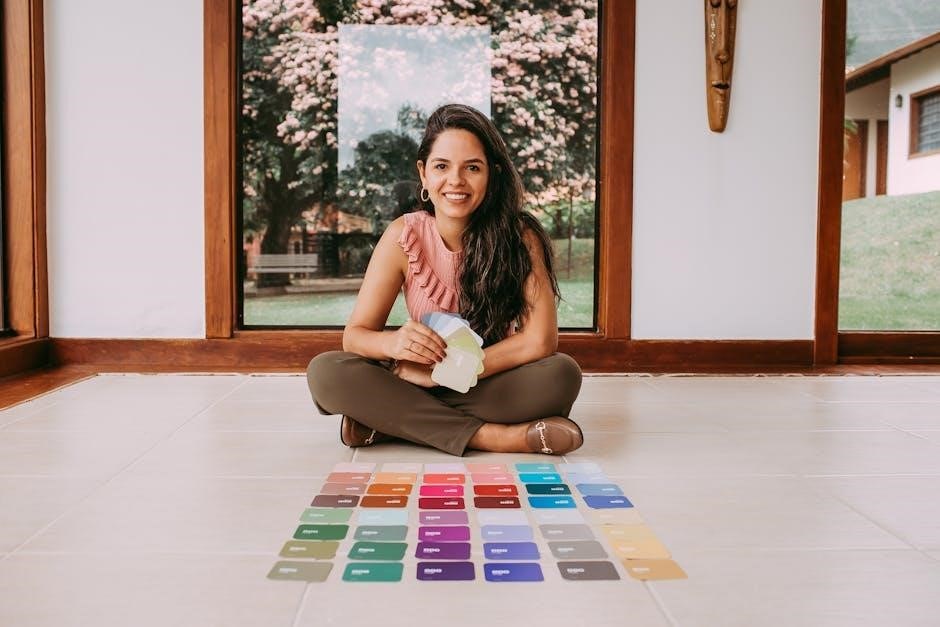
However, be cautious of free, unverified PDFs, as they may not accurately reflect the nuances of the original assessment․ Look for tests that clearly state their source and alignment with Hartman’s methodology․ Many introductory PDFs offer a condensed version of the full assessment, providing a preliminary overview of your color tendencies․
Remember that these initial tests are often stepping stones; a comprehensive understanding typically requires purchasing the official profile for a detailed analysis of your Driving Core Motive․
Interpreting Your Results
Decoding your Color Code results, whether from a PDF or the official assessment, involves understanding your primary color and its associated traits․ Remember, most individuals aren’t purely one color; a blend is common, but one typically dominates․ Your primary color reveals your Driving Core Motive – the underlying reason for your behaviors and needs․
A “Red” dominance suggests a focus on power and control, while “Blue” indicates a desire for intimacy and connection․ “White” prioritizes peace and harmony, and “Yellow” thrives on fun and freedom․
Don’t view colors as “good” or “bad”; each has strengths and weaknesses․ The goal isn’t to change your color, but to understand it and leverage its strengths in relationships and work․
Understanding Your Primary Color
Identifying your dominant color from a Color Code personality test PDF is crucial for self-awareness․ Your primary color dictates your fundamental needs and how you interact with the world․ It’s the lens through which you perceive situations and make decisions;
For example, a primary “Red” signifies a drive for results and leadership․ “Blues” are motivated by deep connections and meaningful relationships․ “Whites” seek stability and avoid conflict, while “Yellows” crave excitement and social interaction․
Recognizing this core motive allows you to understand why you behave in certain ways, and predict how you’ll respond to different stimuli․ It’s about acknowledging your innate personality, not changing it․

Applications of the Color Code
The Color Code, often accessed via a personality test PDF, enhances relationships, improves workplace dynamics, and fosters profound self-awareness and personal growth․
Improving Relationships with Color Code Knowledge
Understanding another’s “color” – derived from a Color Code personality test PDF – unlocks deeper empathy and communication․ Recognizing a partner’s Driving Core Motive, for example, clarifies their needs and behaviors, reducing misunderstandings․
A Red personality, driven by power, requires directness, while a Blue personality, valuing intimacy, needs nurturing․ Knowing these differences allows tailored interactions․
The test isn’t about labeling, but about appreciating fundamental differences in how people perceive the world․ This awareness fosters tolerance and strengthens bonds, leading to more harmonious and fulfilling relationships․ It prompts reflection on your own patterns too!

Ultimately, the Color Code promotes a shift from judgment to understanding․
Workplace Dynamics and the Color Code
Utilizing insights from a Color Code personality test PDF can dramatically improve team cohesion and productivity․ Identifying colleagues’ core motivations – whether driven by power (Red), intimacy (Blue), peace (White), or fun (Yellow) – allows for strategic collaboration․
Reds excel in leadership roles, Blues in supportive positions, Whites in mediation, and Yellows in boosting morale․ Understanding these strengths facilitates effective task delegation and conflict resolution․
The Color Code isn’t about forcing conformity, but about leveraging individual differences․ It promotes a work environment where communication is tailored, and each member feels valued for their unique contributions․
This leads to increased efficiency and a more positive workplace culture․
Self-Awareness and Personal Growth
Completing a Color Code personality test PDF is more than just labeling yourself; it’s a journey toward profound self-understanding․ Discovering your Driving Core Motive – the innate reason behind your actions – unlocks a deeper awareness of your needs and wants․
This knowledge empowers you to identify patterns in your behavior, understand your emotional triggers, and recognize areas for personal development․
By acknowledging your strengths and weaknesses, you can consciously work on improving relationships and achieving greater fulfillment․
The Color Code provides a framework for authentic self-expression and continuous growth․

Criticisms and Limitations
Personality tests, including the Color Code, face scrutiny regarding subjectivity and scientific validation; a PDF result isn’t definitive․
While insightful, these assessments offer a framework, not absolute truths, about individual personalities․
The Subjectivity of Personality Tests
Personality assessments, even those presented as structured like the Color Code via a PDF format, inherently rely on self-reporting, introducing a significant element of subjectivity․
Individuals may interpret questions differently, or answer based on how they wish to be perceived rather than their actual behaviors․
The Art of Manliness highlights that these tests are prompts for reflection, acknowledging differing perspectives, not concrete categorizations․
Furthermore, situational context isn’t always accounted for; a person’s dominant color might shift depending on circumstances․
Therefore, a Color Code result should be viewed as a potential insight, not a rigid label, recognizing the complexity of human personality․
Is the Color Code Scientifically Validated?
While the Color Code, often accessed through a PDF test, offers a compelling framework for understanding personality, its scientific validation remains a point of discussion;
Unlike some widely-used personality assessments, the Color Code doesn’t have an extensive body of peer-reviewed research supporting its claims․
Dr․ Taylor Hartman’s work centers on identifying a “Driving Core Motive,” but this concept hasn’t been universally accepted within the psychological community․
The test’s value, as noted by sources, lies in its ability to stimulate self-awareness and improve interpersonal understanding, rather than providing a definitively “accurate” profile․
Therefore, approaching the Color Code as a tool for self-exploration, rather than a scientifically proven measure, is advisable․
No Responses